- Joined
- 20/7/24
- Bài viết
- 4,662
- Reaction score
- 0
- Points
- 36
Bayard Wootten (1875 - 1959) - A Pioneer of American Photography
In the early decades of the twentieth century, both women artists and the emerging medium of photography struggled to gain wider acceptance within the American art world. Against this backdrop, Bayard Wootten established a remarkable career with her camera, producing more than 600,000 photographs during her lifetime. Her work encompassed portraiture, landscape, architecture, rural life, photographic illustration, and experimental forms of photography, making her an important figure in the development of American photography.
Born Mary Bayard Morgan in 1875, Wootten came from New Bern, a small coastal town in North Carolina. She attended the local Collegiate Academy before enrolling in 1892 at the State Normal and Industrial College, now the University of North Carolina at Greensboro. The institution had been founded only one year earlier as an institution of higher education for women, placing Wootten among its early students.
Financial difficulties eventually forced her to leave formal education and seek employment as a teacher. She first worked at the Arkansas School for the Deaf in Little Rock and later spent four years as an art instructor at the Georgia School for the Deaf. During her time in Georgia, she married Charles Wootten and had two sons. Four years later, in 1901, Charles left the family. Following their divorce, Wootten became financially responsible for her children and returned to her hometown of New Bern, where she initially supported herself through decorative painting.
From Decorative Painting to Photography
The transition from decorative painting to photography opened a new chapter in Wootten's artistic life. After receiving basic instruction in photography, she developed both technical expertise and an individual approach to image-making. Throughout her career, she worked with a variety of photographic processes and materials, including glass negatives, lantern slides, and film negatives.
Wootten became known not only for her technical competence but also for her pictorial sensitivity. Her photographs were concerned with more than simply recording appearances. She paid close attention to composition, light, atmosphere, and the relationship between figures and their surroundings. Her work demonstrates an ability to combine the documentary potential of photography with the visual concerns of a trained artist.
Portraiture was an important source of income during the early part of her career. Rather than relying exclusively on the formal studio conventions common at the time, Wootten frequently photographed her subjects within their own environments. Homes, workplaces, landscapes, and everyday surroundings became integral elements of her compositions. This approach gave her portraits a stronger sense of place and connected the appearance of the sitter with aspects of their daily lives.
One of Wootten's early achievements came in 1902, when she designed the original logo for Pepsi-Cola, a soft drink invented by a neighbor in New Bern. Although her career would become primarily associated with photography, this commission demonstrated the breadth of her creative abilities and her involvement in the emerging field of graphic design.
Aerial Photography and the Wright Brothers
Bayard Wootten is also remembered for an important achievement in the early history of aerial photography. She is widely credited with being among the first women to make photographs from an aircraft. In 1914, she flew in a plane associated with the Wright Brothers and photographed New Bern and its surrounding landscape from the air.
At the time, aerial photography was still a developing practice. Taking photographs from an aircraft presented significant technical challenges involving equipment, movement, exposure, and the photographer's ability to operate a camera in an unstable environment. Wootten's aerial photographs therefore represent an important episode in both her career and the broader development of photographic technology in the United States.
Her professional work also included commissions for the North Carolina National Guard and the regular military at Fort Bragg. These assignments produced numerous military portraits and other images, including photographs in which Wootten herself appears wearing an army uniform.
Wootten maintained a long professional relationship with the University of North Carolina, producing photographic work for the university's yearbooks over several decades. These commissions allowed her to document generations of students, faculty members, and other figures associated with academic life while continuing to develop her skills as both a portraitist and photographic technician.
Photography on the Roads of North Carolina
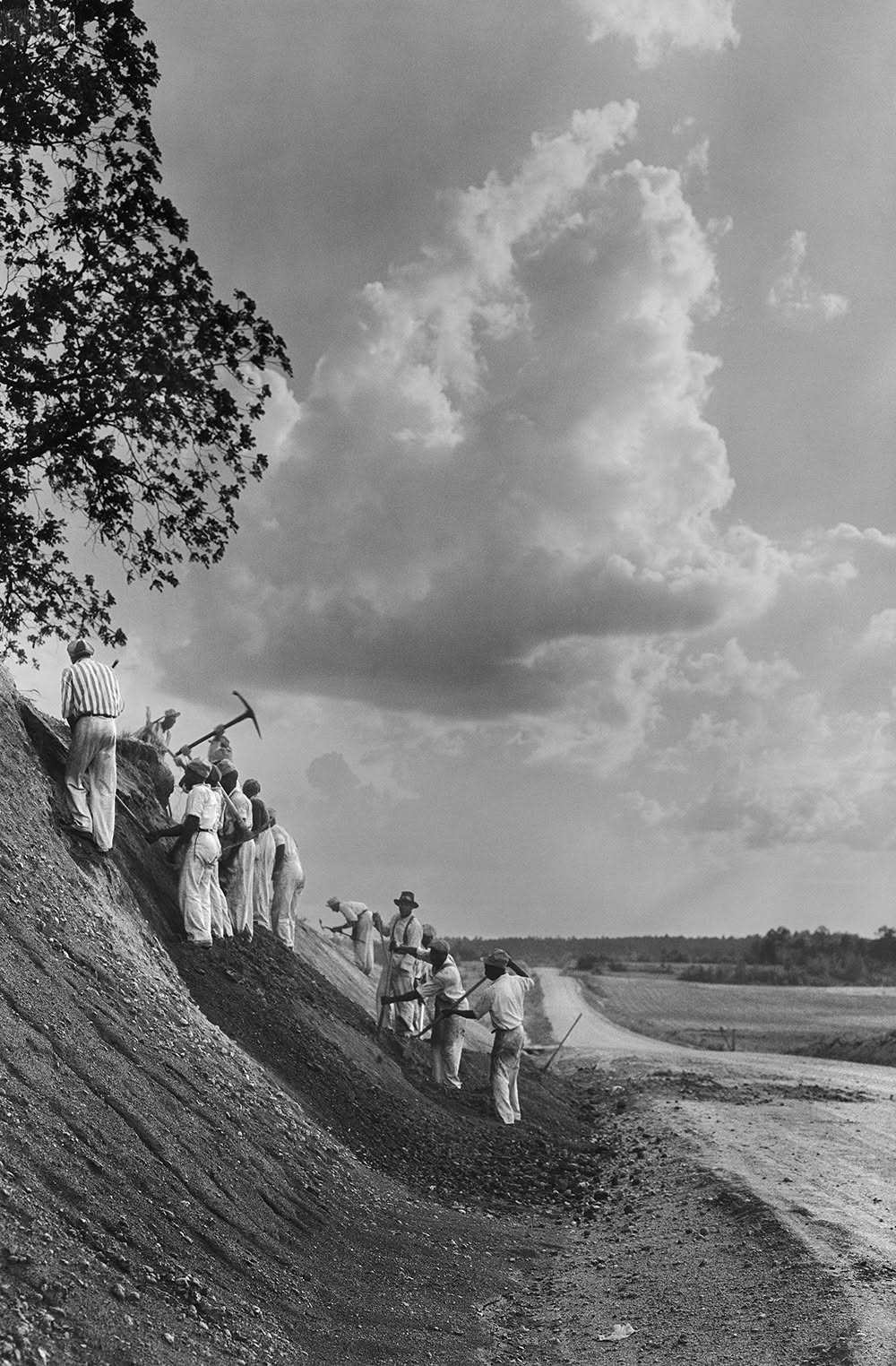
In 1918, Wootten purchased her first automobile. The new mobility significantly expanded the geographical scope of her photographic work. She began traveling throughout North Carolina, photographing landscapes, architecture, communities, and everyday life, particularly in rural areas.
These journeys became an important part of her photographic legacy. Wootten's camera was not limited to famous landmarks or formally staged subjects. She was equally interested in ordinary landscapes, rural communities, buildings, and people encountered during her travels. Her photographs consequently became visual records of North Carolina during the first decades of the twentieth century.
Her approach to portraiture remained closely connected to this interest in everyday environments. Instead of removing subjects from their surroundings and placing them against neutral studio backdrops, she frequently allowed the environment itself to become part of the portrait. The resulting images combined individual identity with a sense of location, social context, and daily life.
The Chapel Hill Studio and Photographic Books
In 1928, Wootten opened a studio in Chapel Hill. Her practice expanded beyond portrait photography to include commissions for photographic illustrations in books and publications.
One of her notable collaborations was with Samuel Gaillard Stoney on Charleston: Azalea and Old Bricks. Wootten's silver gelatin photographs, characterized by deep shadows and soft light, complemented Charleston's historic architecture and vegetation. Her treatment of light and atmosphere gave the images a pictorial quality while also documenting the city's built and natural environment.
Wootten also contributed one hundred full-page photographic plates to Old Homes and Gardens of North Carolina. The project reflected her continuing interest in architecture, gardens, historic homes, and the visual character of North Carolina's cultural landscape. Her photographs helped preserve a visual record of buildings and environments that formed part of the state's architectural heritage.
These publishing projects also demonstrate the versatility of her career. Photography for books required not only technical skill but an understanding of how individual images functioned within a larger visual narrative. Wootten's ability to work across portraiture, landscape, architecture, and photographic illustration allowed her to establish a broad professional practice.
Later Years and Legacy
In 1948, Wootten retired from active photographic work after suffering an eye injury. She nevertheless continued to direct her Chapel Hill studio until 1954. She then returned to New Bern, the town where her life and career had begun, and remained there until her death in 1959 at the age of 84.
Bayard Wootten left behind an extraordinary photographic archive, estimated at more than 600,000 images. Her body of work encompasses portraiture, landscape, architecture, rural life, military subjects, university documentation, aerial photography, and photographic illustration. The diversity of these subjects reflects both the changing possibilities of photography and the wide-ranging interests of an artist who worked across several fields.
Wootten's career also provides an important perspective on the position of women in American visual culture during the late nineteenth and early twentieth centuries. Beginning as a teacher and decorative painter, she gradually established herself as an independent professional photographer at a time when both women artists and photography were still negotiating their place within the broader cultural and artistic landscape.
Her photographs document not only individual people but also the physical and social environments in which they lived. Her journeys through North Carolina, her portraits made in everyday settings, her architectural photographs, and her experiments with aerial imagery reveal a sustained interest in observing and recording the world around her.
The significance of Bayard Wootten's legacy therefore lies not simply in the enormous number of photographs she produced, but in the breadth of her practice and the range of subjects she brought before the camera. Through her work, photography became simultaneously a means of artistic expression, professional practice, and visual documentation. In the history of American photography, Wootten remains an important early woman photographer whose career helped expand the possibilities available to women working with the camera and contributed to the development of photography as a modern visual medium.
See more here
In the early decades of the twentieth century, both women artists and the emerging medium of photography struggled to gain wider acceptance within the American art world. Against this backdrop, Bayard Wootten established a remarkable career with her camera, producing more than 600,000 photographs during her lifetime. Her work encompassed portraiture, landscape, architecture, rural life, photographic illustration, and experimental forms of photography, making her an important figure in the development of American photography.
Born Mary Bayard Morgan in 1875, Wootten came from New Bern, a small coastal town in North Carolina. She attended the local Collegiate Academy before enrolling in 1892 at the State Normal and Industrial College, now the University of North Carolina at Greensboro. The institution had been founded only one year earlier as an institution of higher education for women, placing Wootten among its early students.
Financial difficulties eventually forced her to leave formal education and seek employment as a teacher. She first worked at the Arkansas School for the Deaf in Little Rock and later spent four years as an art instructor at the Georgia School for the Deaf. During her time in Georgia, she married Charles Wootten and had two sons. Four years later, in 1901, Charles left the family. Following their divorce, Wootten became financially responsible for her children and returned to her hometown of New Bern, where she initially supported herself through decorative painting.
From Decorative Painting to Photography
The transition from decorative painting to photography opened a new chapter in Wootten's artistic life. After receiving basic instruction in photography, she developed both technical expertise and an individual approach to image-making. Throughout her career, she worked with a variety of photographic processes and materials, including glass negatives, lantern slides, and film negatives.
Wootten became known not only for her technical competence but also for her pictorial sensitivity. Her photographs were concerned with more than simply recording appearances. She paid close attention to composition, light, atmosphere, and the relationship between figures and their surroundings. Her work demonstrates an ability to combine the documentary potential of photography with the visual concerns of a trained artist.
Portraiture was an important source of income during the early part of her career. Rather than relying exclusively on the formal studio conventions common at the time, Wootten frequently photographed her subjects within their own environments. Homes, workplaces, landscapes, and everyday surroundings became integral elements of her compositions. This approach gave her portraits a stronger sense of place and connected the appearance of the sitter with aspects of their daily lives.
One of Wootten's early achievements came in 1902, when she designed the original logo for Pepsi-Cola, a soft drink invented by a neighbor in New Bern. Although her career would become primarily associated with photography, this commission demonstrated the breadth of her creative abilities and her involvement in the emerging field of graphic design.
Aerial Photography and the Wright Brothers
Bayard Wootten is also remembered for an important achievement in the early history of aerial photography. She is widely credited with being among the first women to make photographs from an aircraft. In 1914, she flew in a plane associated with the Wright Brothers and photographed New Bern and its surrounding landscape from the air.
At the time, aerial photography was still a developing practice. Taking photographs from an aircraft presented significant technical challenges involving equipment, movement, exposure, and the photographer's ability to operate a camera in an unstable environment. Wootten's aerial photographs therefore represent an important episode in both her career and the broader development of photographic technology in the United States.
Her professional work also included commissions for the North Carolina National Guard and the regular military at Fort Bragg. These assignments produced numerous military portraits and other images, including photographs in which Wootten herself appears wearing an army uniform.
Wootten maintained a long professional relationship with the University of North Carolina, producing photographic work for the university's yearbooks over several decades. These commissions allowed her to document generations of students, faculty members, and other figures associated with academic life while continuing to develop her skills as both a portraitist and photographic technician.
Photography on the Roads of North Carolina
In 1918, Wootten purchased her first automobile. The new mobility significantly expanded the geographical scope of her photographic work. She began traveling throughout North Carolina, photographing landscapes, architecture, communities, and everyday life, particularly in rural areas.
These journeys became an important part of her photographic legacy. Wootten's camera was not limited to famous landmarks or formally staged subjects. She was equally interested in ordinary landscapes, rural communities, buildings, and people encountered during her travels. Her photographs consequently became visual records of North Carolina during the first decades of the twentieth century.
Her approach to portraiture remained closely connected to this interest in everyday environments. Instead of removing subjects from their surroundings and placing them against neutral studio backdrops, she frequently allowed the environment itself to become part of the portrait. The resulting images combined individual identity with a sense of location, social context, and daily life.
The Chapel Hill Studio and Photographic Books
In 1928, Wootten opened a studio in Chapel Hill. Her practice expanded beyond portrait photography to include commissions for photographic illustrations in books and publications.
One of her notable collaborations was with Samuel Gaillard Stoney on Charleston: Azalea and Old Bricks. Wootten's silver gelatin photographs, characterized by deep shadows and soft light, complemented Charleston's historic architecture and vegetation. Her treatment of light and atmosphere gave the images a pictorial quality while also documenting the city's built and natural environment.
Wootten also contributed one hundred full-page photographic plates to Old Homes and Gardens of North Carolina. The project reflected her continuing interest in architecture, gardens, historic homes, and the visual character of North Carolina's cultural landscape. Her photographs helped preserve a visual record of buildings and environments that formed part of the state's architectural heritage.
These publishing projects also demonstrate the versatility of her career. Photography for books required not only technical skill but an understanding of how individual images functioned within a larger visual narrative. Wootten's ability to work across portraiture, landscape, architecture, and photographic illustration allowed her to establish a broad professional practice.
Later Years and Legacy
In 1948, Wootten retired from active photographic work after suffering an eye injury. She nevertheless continued to direct her Chapel Hill studio until 1954. She then returned to New Bern, the town where her life and career had begun, and remained there until her death in 1959 at the age of 84.
Bayard Wootten left behind an extraordinary photographic archive, estimated at more than 600,000 images. Her body of work encompasses portraiture, landscape, architecture, rural life, military subjects, university documentation, aerial photography, and photographic illustration. The diversity of these subjects reflects both the changing possibilities of photography and the wide-ranging interests of an artist who worked across several fields.
Wootten's career also provides an important perspective on the position of women in American visual culture during the late nineteenth and early twentieth centuries. Beginning as a teacher and decorative painter, she gradually established herself as an independent professional photographer at a time when both women artists and photography were still negotiating their place within the broader cultural and artistic landscape.
Her photographs document not only individual people but also the physical and social environments in which they lived. Her journeys through North Carolina, her portraits made in everyday settings, her architectural photographs, and her experiments with aerial imagery reveal a sustained interest in observing and recording the world around her.
The significance of Bayard Wootten's legacy therefore lies not simply in the enormous number of photographs she produced, but in the breadth of her practice and the range of subjects she brought before the camera. Through her work, photography became simultaneously a means of artistic expression, professional practice, and visual documentation. In the history of American photography, Wootten remains an important early woman photographer whose career helped expand the possibilities available to women working with the camera and contributed to the development of photography as a modern visual medium.
See more here