- Joined
- 20/7/24
- Bài viết
- 3,958
- Reaction score
- 0
- Points
- 36
Aleksander Gierymski (1850–1901) – The Painter of Quiet Moments
Aleksander Gierymski was one of Poland’s most outstanding 19th-century painters, known for his deeply refined and realistic style. Born on January 30, 1850, in Warsaw into an intellectual family, he studied at the Academy of Fine Arts in Warsaw and later continued his training in Munich, where he was heavily influenced by the German Realist school. Though he spent many years working in France and Italy, his artistic soul always remained tied to his homeland.
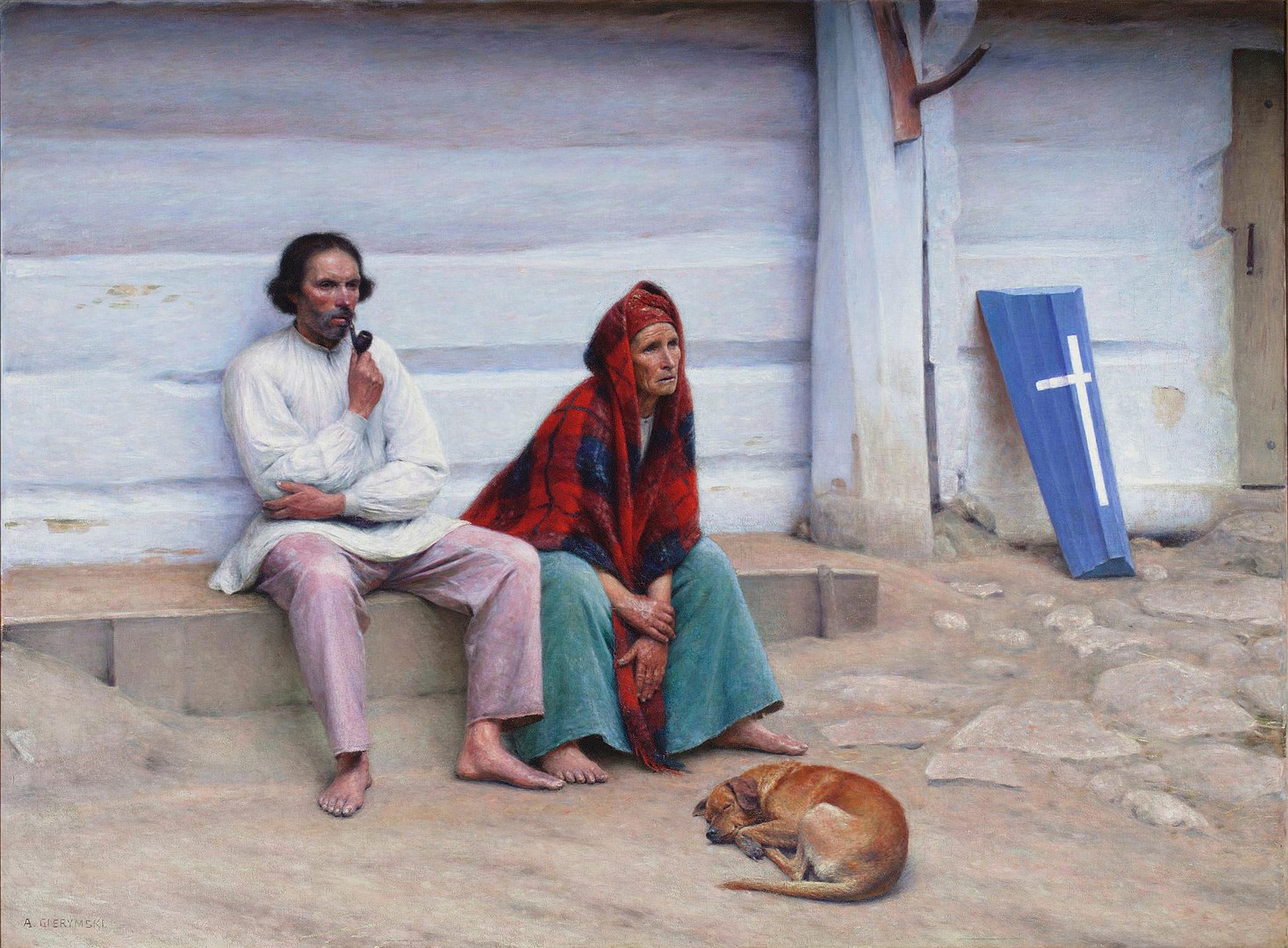
Unlike many of his contemporaries who favored grand subjects such as wars or aristocracy, Gierymski chose to depict the quiet and often overlooked aspects of life - the working poor, lonely backstreets, dimly lit urban corners, and introspective faces. He was drawn to those forgotten by society - the elderly, street vendors, the underprivileged - but he portrayed them not with pity, but with dignity and empathy.
His treatment of light is especially striking. In paintings such as Jewish Woman Selling Oranges, Summer Night in Venice, Saxon Garden in Warsaw, or The Church Aisle in Capri, light becomes an emotional element, conveying cold winter air, the hush of night, or the silent ache behind a gaze. He didn't seek drama - he sought truth, expressed with emotional precision.
Gierymski led a troubled life, marked by long periods of loneliness and struggles with mental illness. He died in poverty in Rome in 1901. During his lifetime, he did not receive the recognition he deserved, but today he is considered one of the most influential figures in Polish art history.
Gierymski’s paintings are quiet, unassuming, yet profoundly moving. They invite the viewer to slow down, to look deeper, and to feel. He found beauty in the ordinary, in silence, in the gentle fall of light across a tired face. That ability to transform stillness into something powerful is what gives his art its enduring resonance.
See more here
Aleksander Gierymski was one of Poland’s most outstanding 19th-century painters, known for his deeply refined and realistic style. Born on January 30, 1850, in Warsaw into an intellectual family, he studied at the Academy of Fine Arts in Warsaw and later continued his training in Munich, where he was heavily influenced by the German Realist school. Though he spent many years working in France and Italy, his artistic soul always remained tied to his homeland.
Unlike many of his contemporaries who favored grand subjects such as wars or aristocracy, Gierymski chose to depict the quiet and often overlooked aspects of life - the working poor, lonely backstreets, dimly lit urban corners, and introspective faces. He was drawn to those forgotten by society - the elderly, street vendors, the underprivileged - but he portrayed them not with pity, but with dignity and empathy.
His treatment of light is especially striking. In paintings such as Jewish Woman Selling Oranges, Summer Night in Venice, Saxon Garden in Warsaw, or The Church Aisle in Capri, light becomes an emotional element, conveying cold winter air, the hush of night, or the silent ache behind a gaze. He didn't seek drama - he sought truth, expressed with emotional precision.
Gierymski led a troubled life, marked by long periods of loneliness and struggles with mental illness. He died in poverty in Rome in 1901. During his lifetime, he did not receive the recognition he deserved, but today he is considered one of the most influential figures in Polish art history.
Gierymski’s paintings are quiet, unassuming, yet profoundly moving. They invite the viewer to slow down, to look deeper, and to feel. He found beauty in the ordinary, in silence, in the gentle fall of light across a tired face. That ability to transform stillness into something powerful is what gives his art its enduring resonance.
See more here