- Joined
- 20/7/24
- Bài viết
- 4,117
- Reaction score
- 0
- Points
- 36
Federico Zandomeneghi – A Bridge Between Italian Art and French Impressionism
Federico Zandomeneghi was one of the most significant Italian painters associated with the Impressionist movement and one of the few Italian artists to participate directly in the Impressionist exhibitions in Paris. His life and career reflect the political, cultural, and artistic transformations that shaped Europe during the second half of the nineteenth century. Although born and educated in Italy, Zandomeneghi ultimately found his artistic voice in Paris, where he integrated into the Impressionist circle and became part of one of the most influential movements in the history of modern art.
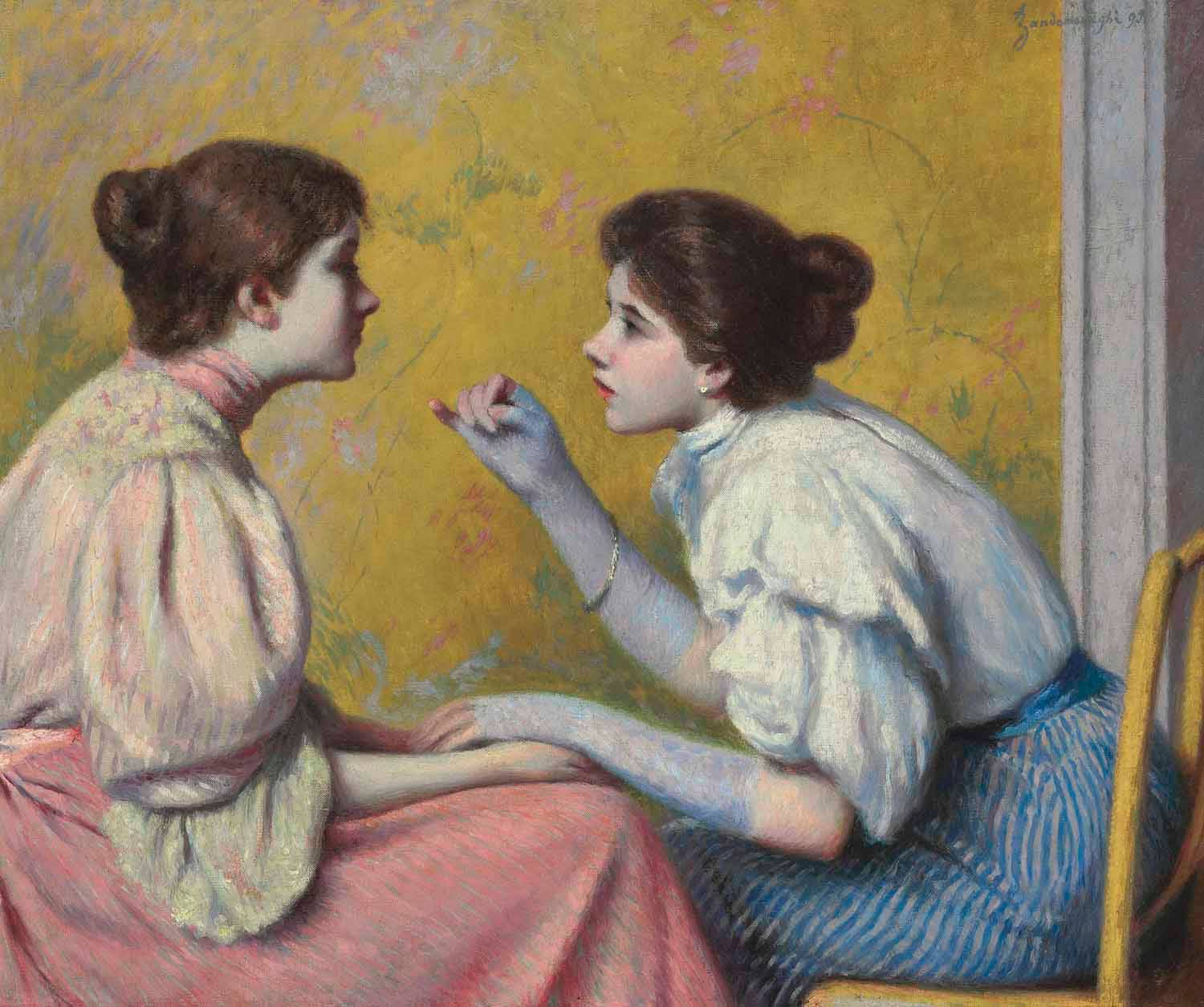
Federico Zandomeneghi was born on June 2, 1841, in Venice into a family with a distinguished artistic tradition. His father, Pietro Zandomeneghi, and his grandfather, Luigi Zandomeneghi, were both Neoclassical sculptors. Luigi was particularly known for completing the monument to Titian in the Basilica di Santa Maria Gloriosa dei Frari. Despite growing up in an environment centered on sculpture, Federico developed an early passion for painting. In 1856, he enrolled at the Accademia di Belle Arti di Venezia before continuing his studies at the Academy of Fine Arts in Milan.
His youth coincided with the turbulent years of Italian unification. In 1859, seeking to avoid conscription into the Austrian army that controlled Venice at the time, he left his hometown. The following year, he attempted to join the forces of Giuseppe Garibaldi during the famous Expedition of the Thousand. These nationalist sympathies made life in Venice increasingly difficult and even led to a brief period of imprisonment.
In 1862, Zandomeneghi moved to Florence, where he spent approximately five formative years. During this period, he became a regular visitor to the renowned Caffè Michelangiolo, a gathering place for the artists known as the Macchiaioli. There he met painters such as Giovanni Fattori, Telemaco Signorini, and Giuseppe Abbati. The Macchiaioli are often regarded as pioneers of modern Italian painting, known for working outdoors and studying the effects of natural light and color. Their practice of painting en plein air had a lasting influence on Zandomeneghi and helped shape his later artistic development.
After returning to Venice in 1866, Zandomeneghi continued refining his style. In 1871, art critic Pompeo Molmenti praised three promising young Venetian painters: Guglielmo Ciardi, Alessandro Zezzos, and Federico Zandomeneghi. A year later, he traveled to Rome and created I poverini sui gradini dell'Ara Coeli, a work considered one of the first masterpieces of his career.
The decisive turning point in Zandomeneghi’s life came in 1874 when he moved to Paris. At that moment, the Impressionists had just held their first exhibition and were still facing strong opposition from the academic establishment. Because his artistic approach already shared many similarities with theirs, Zandomeneghi quickly established friendships within the group. He participated in four Impressionist exhibitions, in 1879, 1880, 1881, and 1886, becoming one of the very few foreign artists included in the official history of the movement.
Among the most important artistic relationships he formed in Paris was his friendship with Edgar Degas. Like Degas, Zandomeneghi was primarily interested in depicting people rather than landscapes. However, while Degas often approached his subjects with analytical precision and emotional restraint, Zandomeneghi’s paintings tend to be warmer, more intimate, and more sentimental. He was also influenced by Mary Cassatt and Pierre-Auguste Renoir, particularly in his depictions of women engaged in domestic activities and everyday routines. These works reveal his deep interest in private life, personal emotion, and the beauty of ordinary moments.
During his early years in Paris, Zandomeneghi faced financial difficulties. The sale of paintings provided only a modest income, forcing him to supplement his earnings by producing illustrations for fashion magazines. Yet this experience also sharpened his observation of clothing, gesture, and contemporary urban life, elements that frequently appeared in his paintings.
In the early 1890s, Zandomeneghi began working extensively with pastel, a medium in which he quickly demonstrated exceptional skill. His pastel works are distinguished by their softness, luminous color, and delicate treatment of light. Around the same time, his reputation improved significantly when the influential art dealer Paul Durand-Ruel introduced his work to audiences in the United States. These exhibitions expanded his international visibility and brought greater financial stability.
Federico Zandomeneghi died in Paris on December 31, 1917. Although he never achieved the same level of fame as Degas or Renoir, he occupies a unique place in the history of modern art. As one of the few Italian painters fully integrated into the French Impressionist movement, he served as an important link between two major artistic traditions. His legacy rests on his sensitive depictions of everyday life, his refined handling of light, and his deeply humanistic vision of the people he painted. These qualities ensure his enduring importance in the development of late nineteenth and early twentieth century modern art.
See more here
Federico Zandomeneghi was one of the most significant Italian painters associated with the Impressionist movement and one of the few Italian artists to participate directly in the Impressionist exhibitions in Paris. His life and career reflect the political, cultural, and artistic transformations that shaped Europe during the second half of the nineteenth century. Although born and educated in Italy, Zandomeneghi ultimately found his artistic voice in Paris, where he integrated into the Impressionist circle and became part of one of the most influential movements in the history of modern art.
Federico Zandomeneghi was born on June 2, 1841, in Venice into a family with a distinguished artistic tradition. His father, Pietro Zandomeneghi, and his grandfather, Luigi Zandomeneghi, were both Neoclassical sculptors. Luigi was particularly known for completing the monument to Titian in the Basilica di Santa Maria Gloriosa dei Frari. Despite growing up in an environment centered on sculpture, Federico developed an early passion for painting. In 1856, he enrolled at the Accademia di Belle Arti di Venezia before continuing his studies at the Academy of Fine Arts in Milan.
His youth coincided with the turbulent years of Italian unification. In 1859, seeking to avoid conscription into the Austrian army that controlled Venice at the time, he left his hometown. The following year, he attempted to join the forces of Giuseppe Garibaldi during the famous Expedition of the Thousand. These nationalist sympathies made life in Venice increasingly difficult and even led to a brief period of imprisonment.
In 1862, Zandomeneghi moved to Florence, where he spent approximately five formative years. During this period, he became a regular visitor to the renowned Caffè Michelangiolo, a gathering place for the artists known as the Macchiaioli. There he met painters such as Giovanni Fattori, Telemaco Signorini, and Giuseppe Abbati. The Macchiaioli are often regarded as pioneers of modern Italian painting, known for working outdoors and studying the effects of natural light and color. Their practice of painting en plein air had a lasting influence on Zandomeneghi and helped shape his later artistic development.
After returning to Venice in 1866, Zandomeneghi continued refining his style. In 1871, art critic Pompeo Molmenti praised three promising young Venetian painters: Guglielmo Ciardi, Alessandro Zezzos, and Federico Zandomeneghi. A year later, he traveled to Rome and created I poverini sui gradini dell'Ara Coeli, a work considered one of the first masterpieces of his career.
The decisive turning point in Zandomeneghi’s life came in 1874 when he moved to Paris. At that moment, the Impressionists had just held their first exhibition and were still facing strong opposition from the academic establishment. Because his artistic approach already shared many similarities with theirs, Zandomeneghi quickly established friendships within the group. He participated in four Impressionist exhibitions, in 1879, 1880, 1881, and 1886, becoming one of the very few foreign artists included in the official history of the movement.
Among the most important artistic relationships he formed in Paris was his friendship with Edgar Degas. Like Degas, Zandomeneghi was primarily interested in depicting people rather than landscapes. However, while Degas often approached his subjects with analytical precision and emotional restraint, Zandomeneghi’s paintings tend to be warmer, more intimate, and more sentimental. He was also influenced by Mary Cassatt and Pierre-Auguste Renoir, particularly in his depictions of women engaged in domestic activities and everyday routines. These works reveal his deep interest in private life, personal emotion, and the beauty of ordinary moments.
During his early years in Paris, Zandomeneghi faced financial difficulties. The sale of paintings provided only a modest income, forcing him to supplement his earnings by producing illustrations for fashion magazines. Yet this experience also sharpened his observation of clothing, gesture, and contemporary urban life, elements that frequently appeared in his paintings.
In the early 1890s, Zandomeneghi began working extensively with pastel, a medium in which he quickly demonstrated exceptional skill. His pastel works are distinguished by their softness, luminous color, and delicate treatment of light. Around the same time, his reputation improved significantly when the influential art dealer Paul Durand-Ruel introduced his work to audiences in the United States. These exhibitions expanded his international visibility and brought greater financial stability.
Federico Zandomeneghi died in Paris on December 31, 1917. Although he never achieved the same level of fame as Degas or Renoir, he occupies a unique place in the history of modern art. As one of the few Italian painters fully integrated into the French Impressionist movement, he served as an important link between two major artistic traditions. His legacy rests on his sensitive depictions of everyday life, his refined handling of light, and his deeply humanistic vision of the people he painted. These qualities ensure his enduring importance in the development of late nineteenth and early twentieth century modern art.
See more here