- Joined
- 20/7/24
- Bài viết
- 4,051
- Reaction score
- 0
- Points
- 36
Marcus Cederberg and the Art of Absolute Minimalism
We have become so accustomed to viewing the world as a vast, overwhelming whole that we have gradually lost the ability to notice its smallest and most intimate details. The modern city operates through speed, noise, and visual excess. Billboards, crowds, traffic, artificial lights, and endless streams of information constantly compete for human attention. Within that environment, Marcus Cederberg chose a direction completely opposite to the norm: removing almost everything from the frame.
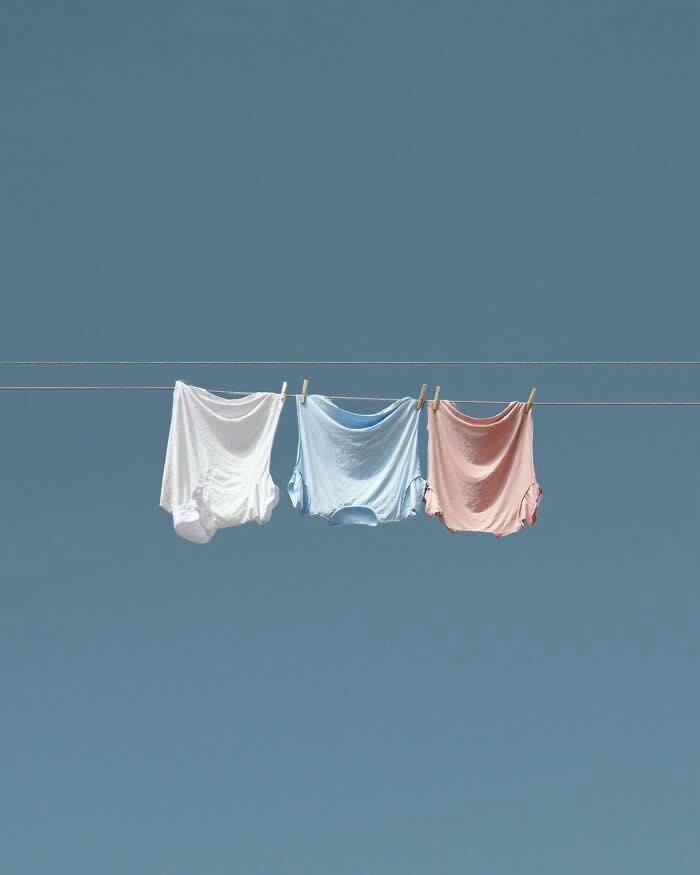
Marcus Cederberg is regarded as one of the defining figures of contemporary urban minimalism. What makes his work remarkable is that he does not search for beauty in the energy and chaos traditionally associated with city life. There are no crowded intersections, no dramatic street scenes, and no obsession with movement. Instead, Cederberg focuses on tiny fragments of urban space: a solitary window on a massive facade, a perfect line of shadow cutting across a pastel-colored wall, or an architectural detail so subtle that almost everyone else would walk past it without noticing.
At the core of Marcus Cederberg’s artistic philosophy is his ability to transform “emptiness” into the primary subject itself. Throughout much of photographic history, empty space merely served to support the main object within the composition. In Cederberg’s work, however, the void carries the emotional weight. His images often contain very few elements - sometimes nothing more than a geometric shape, a muted color field, and a single architectural fragment suspended inside a vast expanse of negative space. It is precisely this radical minimalism that creates an overwhelming sense of silence.
The color palette in his work is usually soft and restrained: pale blues, pastel pinks, washed yellows, white surfaces, or raw concrete gray. Every visual element appears organized with almost mathematical precision. Lines, shadows, and geometric forms are carefully aligned to create balance and tension simultaneously. As a result, Cederberg’s photography is not merely aesthetically pleasing; it produces a sensation of mental decompression. In an age where the human brain is under constant assault from information overload, the visual silence of his images feels almost therapeutic.
What makes this minimalism particularly fascinating is that it is never accidental. It reflects a deeper philosophical perspective about how reality itself should be perceived. Cederberg seems to suggest that complexity often functions as noise - a layer of distraction hiding the essential structure beneath. Once unnecessary details are removed, what remains are the pure foundations of space, light, proportion, and emotion.
One of the most remarkable aspects of Marcus Cederberg’s rise is the way he entered the art world. Rather than emerging through prestigious galleries or traditional academic institutions, he built much of his reputation through Instagram. This is deeply paradoxical. Instagram was designed to maximize attention through visual intensity, constant stimulation, and image saturation. At a time when photographers were attempting to fill every frame with as many elements as possible to satisfy the algorithm, Cederberg began posting images that were nearly empty.
That contrast became the very reason his work stood out so powerfully within the endless stream of social media content. When viewers spend their days scrolling through visually crowded images, a frame of absolute stillness suddenly becomes impossible to ignore. In modern visual marketing, this phenomenon is known as “visual stopping power” - the ability of an image to force the viewer’s eyes to pause within an uninterrupted flow of information. What makes Cederberg extraordinary is that he achieves this effect not by increasing visual stimulation, but by almost completely eliminating it.
Even the layout of his social media profile became part of the artistic experience. When viewed together, his images form a coherent geometric system with a distinct visual rhythm. The audience no longer perceives individual photographs separately; instead, the entire grid begins to resemble a monumental minimalist architectural composition.
Marcus Cederberg’s success also reflects a broader transformation in contemporary aesthetics. Throughout much of the twentieth century, beauty was often associated with complexity, grandeur, and spectacle. In the digital age, however, where human attention has become exhausted by excess, simplicity itself has become a luxury. A quiet visual space now possesses greater value than thousands of aggressive details competing for attention.
His work ultimately reveals something fundamental about photography itself. Photography is not truly the art of recording everything; it is the art of isolating reality according to personal vision. A camera is not simply a machine for copying the world. It is a tool of elimination. The artist decides what deserves to remain inside the frame and what must disappear. That act of selection is what transforms documentation into art.
In Marcus Cederberg’s images, a fragment of concrete can become a meditative landscape. A tiny window can evoke an immense sense of loneliness within the modern metropolis. A simple shadow can acquire the sculptural power of architecture. He transforms the most ordinary fragments of urban life into timeless emotional structures.
Perhaps that is why Marcus Cederberg’s work resonates so deeply with contemporary audiences. In a world increasingly dominated by noise, speed, and visual overload, he reminds us that the greatest beauty often exists within what is almost invisible.
See more here
We have become so accustomed to viewing the world as a vast, overwhelming whole that we have gradually lost the ability to notice its smallest and most intimate details. The modern city operates through speed, noise, and visual excess. Billboards, crowds, traffic, artificial lights, and endless streams of information constantly compete for human attention. Within that environment, Marcus Cederberg chose a direction completely opposite to the norm: removing almost everything from the frame.
Marcus Cederberg is regarded as one of the defining figures of contemporary urban minimalism. What makes his work remarkable is that he does not search for beauty in the energy and chaos traditionally associated with city life. There are no crowded intersections, no dramatic street scenes, and no obsession with movement. Instead, Cederberg focuses on tiny fragments of urban space: a solitary window on a massive facade, a perfect line of shadow cutting across a pastel-colored wall, or an architectural detail so subtle that almost everyone else would walk past it without noticing.
At the core of Marcus Cederberg’s artistic philosophy is his ability to transform “emptiness” into the primary subject itself. Throughout much of photographic history, empty space merely served to support the main object within the composition. In Cederberg’s work, however, the void carries the emotional weight. His images often contain very few elements - sometimes nothing more than a geometric shape, a muted color field, and a single architectural fragment suspended inside a vast expanse of negative space. It is precisely this radical minimalism that creates an overwhelming sense of silence.
The color palette in his work is usually soft and restrained: pale blues, pastel pinks, washed yellows, white surfaces, or raw concrete gray. Every visual element appears organized with almost mathematical precision. Lines, shadows, and geometric forms are carefully aligned to create balance and tension simultaneously. As a result, Cederberg’s photography is not merely aesthetically pleasing; it produces a sensation of mental decompression. In an age where the human brain is under constant assault from information overload, the visual silence of his images feels almost therapeutic.
What makes this minimalism particularly fascinating is that it is never accidental. It reflects a deeper philosophical perspective about how reality itself should be perceived. Cederberg seems to suggest that complexity often functions as noise - a layer of distraction hiding the essential structure beneath. Once unnecessary details are removed, what remains are the pure foundations of space, light, proportion, and emotion.
One of the most remarkable aspects of Marcus Cederberg’s rise is the way he entered the art world. Rather than emerging through prestigious galleries or traditional academic institutions, he built much of his reputation through Instagram. This is deeply paradoxical. Instagram was designed to maximize attention through visual intensity, constant stimulation, and image saturation. At a time when photographers were attempting to fill every frame with as many elements as possible to satisfy the algorithm, Cederberg began posting images that were nearly empty.
That contrast became the very reason his work stood out so powerfully within the endless stream of social media content. When viewers spend their days scrolling through visually crowded images, a frame of absolute stillness suddenly becomes impossible to ignore. In modern visual marketing, this phenomenon is known as “visual stopping power” - the ability of an image to force the viewer’s eyes to pause within an uninterrupted flow of information. What makes Cederberg extraordinary is that he achieves this effect not by increasing visual stimulation, but by almost completely eliminating it.
Even the layout of his social media profile became part of the artistic experience. When viewed together, his images form a coherent geometric system with a distinct visual rhythm. The audience no longer perceives individual photographs separately; instead, the entire grid begins to resemble a monumental minimalist architectural composition.
Marcus Cederberg’s success also reflects a broader transformation in contemporary aesthetics. Throughout much of the twentieth century, beauty was often associated with complexity, grandeur, and spectacle. In the digital age, however, where human attention has become exhausted by excess, simplicity itself has become a luxury. A quiet visual space now possesses greater value than thousands of aggressive details competing for attention.
His work ultimately reveals something fundamental about photography itself. Photography is not truly the art of recording everything; it is the art of isolating reality according to personal vision. A camera is not simply a machine for copying the world. It is a tool of elimination. The artist decides what deserves to remain inside the frame and what must disappear. That act of selection is what transforms documentation into art.
In Marcus Cederberg’s images, a fragment of concrete can become a meditative landscape. A tiny window can evoke an immense sense of loneliness within the modern metropolis. A simple shadow can acquire the sculptural power of architecture. He transforms the most ordinary fragments of urban life into timeless emotional structures.
Perhaps that is why Marcus Cederberg’s work resonates so deeply with contemporary audiences. In a world increasingly dominated by noise, speed, and visual overload, he reminds us that the greatest beauty often exists within what is almost invisible.
See more here