- Joined
- 20/7/24
- Bài viết
- 4,029
- Reaction score
- 0
- Points
- 36
The Great Doors of Humanity
History, Materials, Craftsmanship, and Cultural Significance in World Architecture
Throughout the history of human architecture, doors have never been merely functional structures used for opening, closing, or dividing spaces. From the temples of Ancient Egypt and Roman palaces to Gothic cathedrals in Europe and traditional homes in Japan or Morocco, doors have consistently carried meanings far beyond their physical purpose. They have served simultaneously as boundaries between worlds, symbols of power, expressions of faith, works of art, and reflections of cultural identity.
The earliest forms of doors appeared during the prehistoric era, when humans began constructing permanent settlements from earth, stone, and wood. At first, doors were simple barriers made from animal hides, branches, or slabs of stone intended to protect inhabitants from harsh weather and wild animals. However, as societies evolved into organized cities and states, the door quickly became a deeply symbolic architectural element. In many civilizations, it represented the threshold between the secular and the sacred, between life and death, and between humanity and the divine.
In Ancient Egypt, temple doors were often covered in gold or bronze to symbolize the presence of the gods. The Romans later developed monumental double-door systems with advanced metal hinges for public buildings, marking a major advancement in architectural engineering. During the European Middle Ages, cathedral doors became visual narratives designed for largely illiterate populations. Craftsmen carved biblical scenes onto massive wooden and bronze doors, depicting stories ranging from Creation to the Last Judgment in order to communicate religious teachings and moral ideals.
One of the most celebrated examples of European door art is the “Gates of Paradise” at the Florence Baptistery in Italy, created by the sculptor Lorenzo Ghiberti over nearly three decades. The bronze relief panels depict scenes from the Old Testament with extraordinary detail and mastery of perspective, embodying the humanistic ideals and artistic innovations of the Renaissance. The work is regarded not only as an architectural feature but also as one of the greatest sculptural achievements in Western art history.
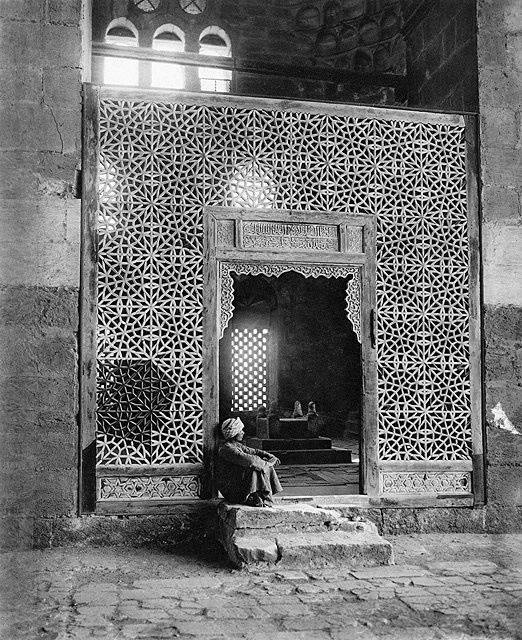
In the Islamic world, the art of door-making developed along a very different path. Because of restrictions on figurative imagery in religious art, artisans focused instead on calligraphy and complex geometric ornamentation. Doors in Morocco, Persia, and the Ottoman Empire were often crafted from cedar wood and decorated with hammered bronze, mother-of-pearl inlays, and intricate arabesque patterns. These endlessly repeating geometric designs were not purely decorative; they also reflected philosophical concepts of infinity, harmony, and cosmic order.
Wood has been the most common and enduring material used in door construction throughout history. Different regions favored different types of wood, such as oak in Europe, teak in India, and hinoki cypress in Japan. Traditional craftsmen developed highly sophisticated joinery techniques that required no metal nails, allowing doors to survive for centuries while maintaining remarkable structural stability. In Japan especially, traditional woodworking reflected aesthetic philosophies centered on simplicity, balance, and harmony with nature.
Metal also played a major role in the history of architectural doors. Bronze and iron were widely used in fortresses, temples, and palaces because of their durability and their suitability for relief sculpture. By the Byzantine and Romanesque periods, bronze casting techniques had reached extraordinary levels of sophistication. Some monumental doors weighed several tons yet operated smoothly through carefully engineered hinge and counterweight systems. In certain civilizations, including Ancient Egypt and India, monolithic stone doors were used in tombs and sacred structures, demonstrating impressive knowledge of mechanics and construction technology.
Decorative motifs on doors have always carried symbolic meaning. In medieval Europe, cathedral doors often featured carvings of angels, demons, saints, and scenes of divine judgment intended to remind worshippers of morality and salvation. In China, images of guardian deities were traditionally placed on entrance doors during the Lunar New Year to protect households from evil spirits. In many cultures, lion-head knockers, protective masks, solar emblems, and sacred inscriptions were attached to doors as symbols of security and spiritual protection.
Doors also served as powerful expressions of social hierarchy and political authority. The gates of Ottoman palaces were adorned with gold and precious stones, while European castles used thick wooden doors reinforced with wrought iron to project military strength. In many societies, the act of “passing through a door” held ceremonial significance, symbolizing transitions such as entering adulthood, marriage, or sacred space.
In art and philosophy, doors have long symbolized transition, knowledge, mystery, and transformation. Literature and visual art frequently use the image of the doorway as a threshold between worlds, between reality and the supernatural, or between the finite and the infinite. In symbolic psychology, doors may also represent the subconscious mind and humanity’s desire for self-discovery.
Today, many historic doors are preserved as cultural heritage monuments. Modern restoration technologies, including 3D scanning, alloy analysis, and dendrochronology, are used to conserve and reconstruct ancient architectural works. Nevertheless, preserving historic doors remains a difficult challenge due to weathering, metal corrosion, war damage, insect activity, and urban pollution. Despite these threats, ancient doors continue to provide invaluable insight into traditional craftsmanship, religious beliefs, artistic history, and cultural exchange across civilizations.
From the primitive barriers of prehistoric settlements to the monumental bronze gates of the Renaissance, the history of doors mirrors the history of human civilization itself. Every door represents more than an entrance into a physical space; it opens onto a world of art, belief, power, and human imagination. Across thousands of years, humanity transformed one of architecture’s simplest elements into one of its most enduring and meaningful symbols.
See more here
History, Materials, Craftsmanship, and Cultural Significance in World Architecture
Throughout the history of human architecture, doors have never been merely functional structures used for opening, closing, or dividing spaces. From the temples of Ancient Egypt and Roman palaces to Gothic cathedrals in Europe and traditional homes in Japan or Morocco, doors have consistently carried meanings far beyond their physical purpose. They have served simultaneously as boundaries between worlds, symbols of power, expressions of faith, works of art, and reflections of cultural identity.
The earliest forms of doors appeared during the prehistoric era, when humans began constructing permanent settlements from earth, stone, and wood. At first, doors were simple barriers made from animal hides, branches, or slabs of stone intended to protect inhabitants from harsh weather and wild animals. However, as societies evolved into organized cities and states, the door quickly became a deeply symbolic architectural element. In many civilizations, it represented the threshold between the secular and the sacred, between life and death, and between humanity and the divine.
In Ancient Egypt, temple doors were often covered in gold or bronze to symbolize the presence of the gods. The Romans later developed monumental double-door systems with advanced metal hinges for public buildings, marking a major advancement in architectural engineering. During the European Middle Ages, cathedral doors became visual narratives designed for largely illiterate populations. Craftsmen carved biblical scenes onto massive wooden and bronze doors, depicting stories ranging from Creation to the Last Judgment in order to communicate religious teachings and moral ideals.
One of the most celebrated examples of European door art is the “Gates of Paradise” at the Florence Baptistery in Italy, created by the sculptor Lorenzo Ghiberti over nearly three decades. The bronze relief panels depict scenes from the Old Testament with extraordinary detail and mastery of perspective, embodying the humanistic ideals and artistic innovations of the Renaissance. The work is regarded not only as an architectural feature but also as one of the greatest sculptural achievements in Western art history.
In the Islamic world, the art of door-making developed along a very different path. Because of restrictions on figurative imagery in religious art, artisans focused instead on calligraphy and complex geometric ornamentation. Doors in Morocco, Persia, and the Ottoman Empire were often crafted from cedar wood and decorated with hammered bronze, mother-of-pearl inlays, and intricate arabesque patterns. These endlessly repeating geometric designs were not purely decorative; they also reflected philosophical concepts of infinity, harmony, and cosmic order.
Wood has been the most common and enduring material used in door construction throughout history. Different regions favored different types of wood, such as oak in Europe, teak in India, and hinoki cypress in Japan. Traditional craftsmen developed highly sophisticated joinery techniques that required no metal nails, allowing doors to survive for centuries while maintaining remarkable structural stability. In Japan especially, traditional woodworking reflected aesthetic philosophies centered on simplicity, balance, and harmony with nature.
Metal also played a major role in the history of architectural doors. Bronze and iron were widely used in fortresses, temples, and palaces because of their durability and their suitability for relief sculpture. By the Byzantine and Romanesque periods, bronze casting techniques had reached extraordinary levels of sophistication. Some monumental doors weighed several tons yet operated smoothly through carefully engineered hinge and counterweight systems. In certain civilizations, including Ancient Egypt and India, monolithic stone doors were used in tombs and sacred structures, demonstrating impressive knowledge of mechanics and construction technology.
Decorative motifs on doors have always carried symbolic meaning. In medieval Europe, cathedral doors often featured carvings of angels, demons, saints, and scenes of divine judgment intended to remind worshippers of morality and salvation. In China, images of guardian deities were traditionally placed on entrance doors during the Lunar New Year to protect households from evil spirits. In many cultures, lion-head knockers, protective masks, solar emblems, and sacred inscriptions were attached to doors as symbols of security and spiritual protection.
Doors also served as powerful expressions of social hierarchy and political authority. The gates of Ottoman palaces were adorned with gold and precious stones, while European castles used thick wooden doors reinforced with wrought iron to project military strength. In many societies, the act of “passing through a door” held ceremonial significance, symbolizing transitions such as entering adulthood, marriage, or sacred space.
In art and philosophy, doors have long symbolized transition, knowledge, mystery, and transformation. Literature and visual art frequently use the image of the doorway as a threshold between worlds, between reality and the supernatural, or between the finite and the infinite. In symbolic psychology, doors may also represent the subconscious mind and humanity’s desire for self-discovery.
Today, many historic doors are preserved as cultural heritage monuments. Modern restoration technologies, including 3D scanning, alloy analysis, and dendrochronology, are used to conserve and reconstruct ancient architectural works. Nevertheless, preserving historic doors remains a difficult challenge due to weathering, metal corrosion, war damage, insect activity, and urban pollution. Despite these threats, ancient doors continue to provide invaluable insight into traditional craftsmanship, religious beliefs, artistic history, and cultural exchange across civilizations.
From the primitive barriers of prehistoric settlements to the monumental bronze gates of the Renaissance, the history of doors mirrors the history of human civilization itself. Every door represents more than an entrance into a physical space; it opens onto a world of art, belief, power, and human imagination. Across thousands of years, humanity transformed one of architecture’s simplest elements into one of its most enduring and meaningful symbols.
See more here