- Joined
- 20/7/24
- Bài viết
- 3,876
- Reaction score
- 0
- Points
- 36
Thomas Billhardt and the Raw Portrait of Northern Vietnam (1967–1975)
Thomas Billhardt (1937–2025) was one of Germany’s most notable documentary photographers, widely recognized for his work capturing war, social realities, and human life in regions shaped by historical upheaval. Born in Germany, he began his photographic career at a young age and quickly developed a distinct visual language centered on people within real, often difficult contexts. Over several decades, Billhardt traveled extensively, but Vietnam remained one of the most defining chapters of his artistic journey.
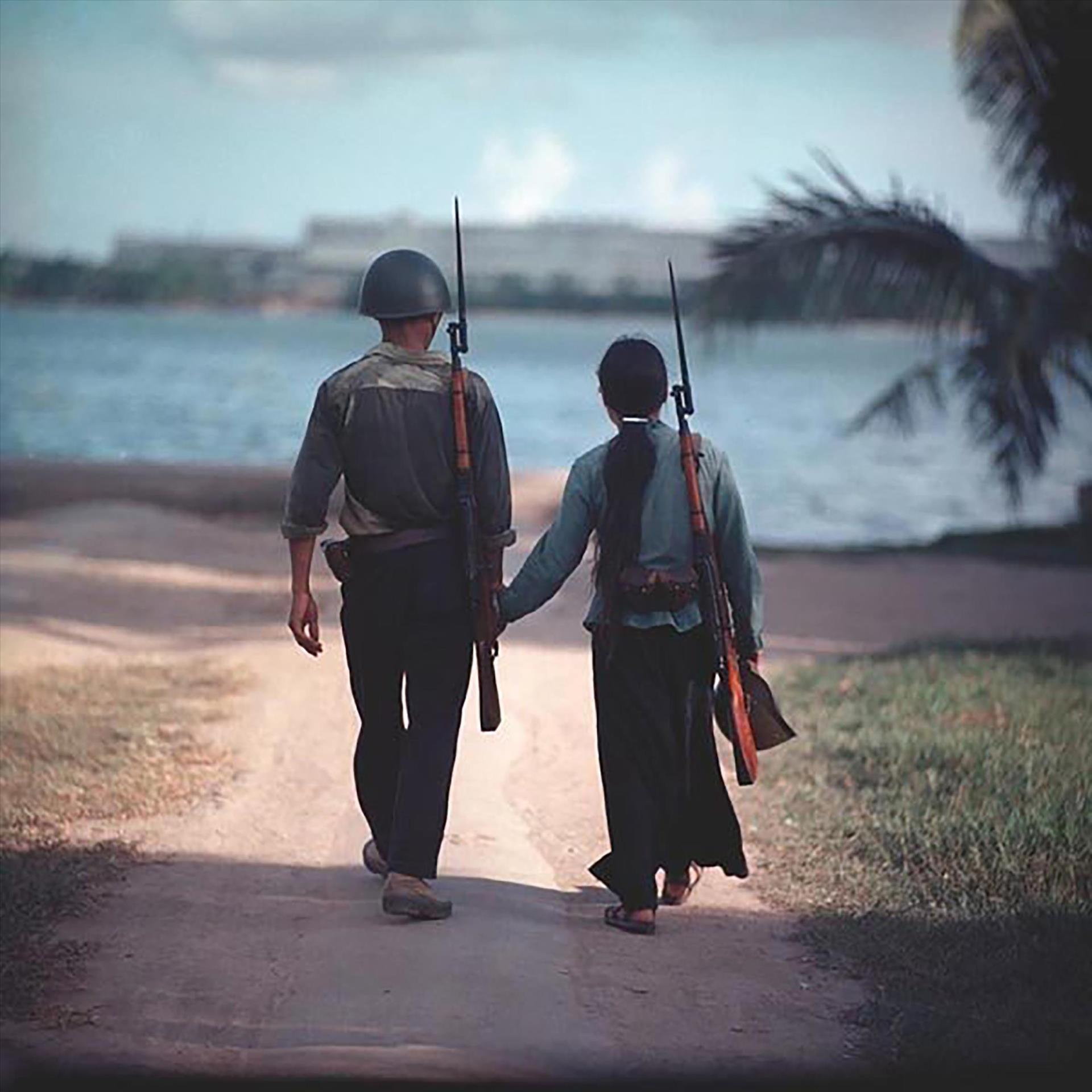
Between 1967 and 1975, during the Vietnam War, Thomas Billhardt made multiple visits to Northern Vietnam, producing an invaluable body of photographic work. Rather than focusing solely on combat or destruction, he approached the subject with a deeply humanistic perspective, documenting everyday life - especially that of children, women, and ordinary civilians living under the pressures of war. This focus distinguished his work from many contemporaries and gave his images a lasting emotional resonance.
Stylistically, Billhardt did not prioritize technical perfection or rigid compositional rules. Instead, he embraced a direct, intuitive approach, often abandoning conventional structure in order to capture the most authentic moments. His photographs feel spontaneous, open, and full of movement, carrying what can be described as raw emotion - unfiltered, immediate, and deeply human. This intentional looseness in composition allowed him to preserve the intensity and truth of the moment rather than refine it into something artificial.
His Northern Vietnam series (1967–1975) stands as one of the most significant achievements of his career. The images reveal scenes of daily life unfolding amid wartime conditions: children playing in bomb-affected areas, families continuing their routines despite hardship, and communities demonstrating resilience in the face of uncertainty. These photographs do not merely document war - they reveal the persistence of life within it.
What makes this body of work particularly compelling is its emotional depth. Thomas Billhardt did not attempt to construct grand narratives about the war. Instead, he focused on small, fleeting moments - quiet gestures, expressions, and interactions that carry profound meaning. Through these fragments, viewers gain a more nuanced understanding of life during a complex historical period, beyond simplified or one-dimensional interpretations.
Throughout his career, Thomas Billhardt received numerous awards and international recognition, with his works exhibited widely and held in important collections. Yet, his photographs of Vietnam remain among his most powerful and enduring contributions, reflecting both his artistic philosophy and his deep empathy for human subjects.
Today, his images of Northern Vietnam from 1967 to 1975 continue to resonate not only as historical documents but as emotional records of human endurance, dignity, and everyday life. This is the lasting strength of Thomas Billhardt’s work: the ability to transform photography into a form of witnessing that is both truthful and profoundly humane.
See more here
Thomas Billhardt (1937–2025) was one of Germany’s most notable documentary photographers, widely recognized for his work capturing war, social realities, and human life in regions shaped by historical upheaval. Born in Germany, he began his photographic career at a young age and quickly developed a distinct visual language centered on people within real, often difficult contexts. Over several decades, Billhardt traveled extensively, but Vietnam remained one of the most defining chapters of his artistic journey.
Between 1967 and 1975, during the Vietnam War, Thomas Billhardt made multiple visits to Northern Vietnam, producing an invaluable body of photographic work. Rather than focusing solely on combat or destruction, he approached the subject with a deeply humanistic perspective, documenting everyday life - especially that of children, women, and ordinary civilians living under the pressures of war. This focus distinguished his work from many contemporaries and gave his images a lasting emotional resonance.
Stylistically, Billhardt did not prioritize technical perfection or rigid compositional rules. Instead, he embraced a direct, intuitive approach, often abandoning conventional structure in order to capture the most authentic moments. His photographs feel spontaneous, open, and full of movement, carrying what can be described as raw emotion - unfiltered, immediate, and deeply human. This intentional looseness in composition allowed him to preserve the intensity and truth of the moment rather than refine it into something artificial.
His Northern Vietnam series (1967–1975) stands as one of the most significant achievements of his career. The images reveal scenes of daily life unfolding amid wartime conditions: children playing in bomb-affected areas, families continuing their routines despite hardship, and communities demonstrating resilience in the face of uncertainty. These photographs do not merely document war - they reveal the persistence of life within it.
What makes this body of work particularly compelling is its emotional depth. Thomas Billhardt did not attempt to construct grand narratives about the war. Instead, he focused on small, fleeting moments - quiet gestures, expressions, and interactions that carry profound meaning. Through these fragments, viewers gain a more nuanced understanding of life during a complex historical period, beyond simplified or one-dimensional interpretations.
Throughout his career, Thomas Billhardt received numerous awards and international recognition, with his works exhibited widely and held in important collections. Yet, his photographs of Vietnam remain among his most powerful and enduring contributions, reflecting both his artistic philosophy and his deep empathy for human subjects.
Today, his images of Northern Vietnam from 1967 to 1975 continue to resonate not only as historical documents but as emotional records of human endurance, dignity, and everyday life. This is the lasting strength of Thomas Billhardt’s work: the ability to transform photography into a form of witnessing that is both truthful and profoundly humane.
See more here