- Joined
- 20/7/24
- Bài viết
- 4,515
- Reaction score
- 0
- Points
- 36
Tom Thomson – The Visionary Landscape Painter Who Shaped Canadian Art
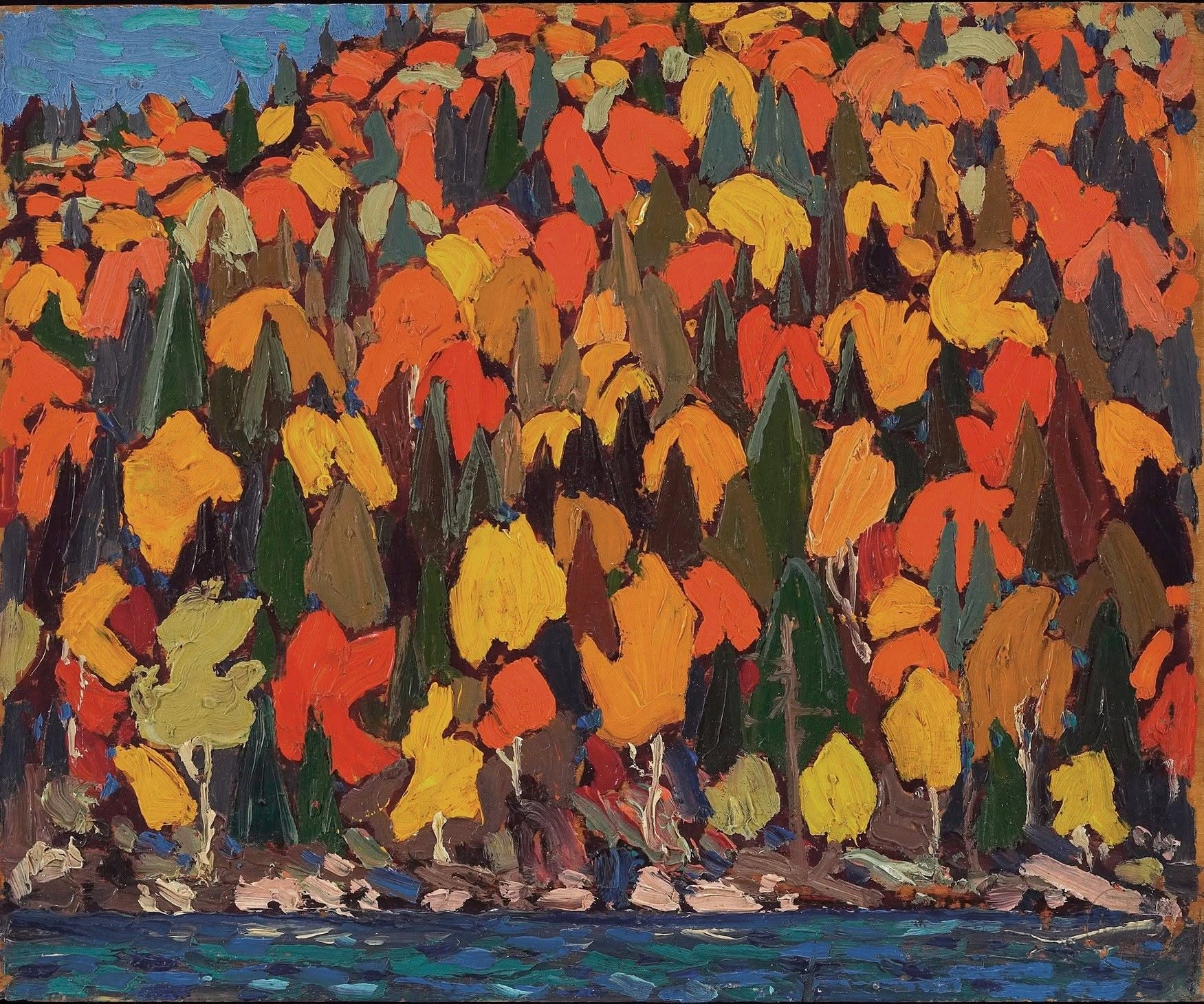
Thomas John Thomson (August 5, 1877 – July 8, 1917), widely known as Tom Thomson, was one of Canada's most influential landscape painters and a pivotal figure in the development of Canadian art during the early twentieth century. Although his professional career lasted only a few years, he produced approximately 400 oil sketches on small wooden panels and around 50 large-scale canvas paintings. His works, devoted almost entirely to landscapes, celebrate the forests, lakes, rivers, skies, and rugged wilderness of Ontario. Through bold brushwork, vibrant color, and expressive use of paint, Thomson created a distinctly Canadian artistic vision that continues to define the nation's cultural identity.
Born on August 5, 1877, into a large farming family in rural Ontario, Thomson showed no exceptional artistic talent during his childhood. Before pursuing art, he held several different jobs and attended a business college, where he developed excellent penmanship and copperplate writing skills. At the beginning of the twentieth century, he worked as a commercial pen artist in Seattle and later in Toronto for several photoengraving companies, including Grip Ltd. It was during this period that he met a circle of artists who would later establish the famous Group of Seven, including J. E. H. MacDonald, Lawren Harris, Frederick Varley, Franklin Carmichael, and Arthur Lismer. These friendships would profoundly influence both his artistic development and the future of Canadian landscape painting.
A defining moment in Thomson's career came in May 1912 when he made his first visit to Algonquin Park, a vast wilderness reserve in central Ontario. There, inspired by the region's pristine forests, tranquil lakes, and dramatic seasonal changes, he purchased his first sketching equipment and, following the advice of J. E. H. MacDonald, began painting directly from nature. Thomson quickly developed a deep attachment to Algonquin Park, returning year after year. He typically spent his winters working in Toronto while devoting the warmer months to painting outdoors in the Park, where he found endless inspiration in the Canadian wilderness.
Thomson's early paintings demonstrated a solid understanding of composition and color, although they were relatively modest in technical execution. As his style matured, however, his work became increasingly expressive and confident. His later paintings feature dynamic compositions, brilliant colors, energetic brushstrokes, and thick applications of paint that vividly convey the atmosphere, movement, and emotional power of the natural landscape. Rather than striving for photographic realism, Thomson sought to capture the essence and spirit of nature through bold artistic interpretation.
Among his greatest masterpieces are The Jack Pine and The West Wind, two paintings that have become enduring symbols of Canadian national identity. These iconic works represent the resilience, beauty, and untamed character of Canada's wilderness and are regarded as milestones in the history of Canadian landscape painting. Their expressive forms and dramatic compositions have inspired generations of artists and remain among the country's most celebrated works of art.
Beyond painting, Thomson earned a reputation as an accomplished outdoorsman, known for his enthusiasm for fishing, camping, and exploring the wilderness by canoe. Although some have questioned the extent of his canoeing expertise, his close relationship with nature became inseparable from his artistic identity. This connection also contributed to one of the greatest mysteries in Canadian art history.
On July 8, 1917, Tom Thomson drowned in Canoe Lake within Algonquin Park at the age of thirty-nine. His death occurred under circumstances that have never been fully explained. While the official conclusion was accidental drowning, the absence of definitive evidence led to persistent speculation that he may have been murdered or taken his own life. These theories remain unsubstantiated, yet they have contributed to the enduring fascination surrounding his life and legacy.
Although Thomson died before the formal establishment of the Group of Seven in 1920, he is widely regarded as the movement's spiritual inspiration and is often considered its unofficial member. His artistic philosophy, emphasis on direct observation of nature, and innovative approach to landscape painting profoundly shaped the group's vision and helped define a uniquely Canadian school of art.
Today, Tom Thomson is recognized as one of Canada's greatest painters. His works are preserved primarily within Canada and are prominently displayed in leading institutions such as the Art Gallery of Ontario in Toronto, the National Gallery of Canada in Ottawa, the McMichael Canadian Art Collection in Kleinburg, and the Tom Thomson Art Gallery in Owen Sound. More than a century after his death, his paintings continue to inspire artists and audiences alike, standing as timeless celebrations of Canada's wilderness and as enduring masterpieces of twentieth-century landscape art.
See more here
Thomas John Thomson (August 5, 1877 – July 8, 1917), widely known as Tom Thomson, was one of Canada's most influential landscape painters and a pivotal figure in the development of Canadian art during the early twentieth century. Although his professional career lasted only a few years, he produced approximately 400 oil sketches on small wooden panels and around 50 large-scale canvas paintings. His works, devoted almost entirely to landscapes, celebrate the forests, lakes, rivers, skies, and rugged wilderness of Ontario. Through bold brushwork, vibrant color, and expressive use of paint, Thomson created a distinctly Canadian artistic vision that continues to define the nation's cultural identity.
Born on August 5, 1877, into a large farming family in rural Ontario, Thomson showed no exceptional artistic talent during his childhood. Before pursuing art, he held several different jobs and attended a business college, where he developed excellent penmanship and copperplate writing skills. At the beginning of the twentieth century, he worked as a commercial pen artist in Seattle and later in Toronto for several photoengraving companies, including Grip Ltd. It was during this period that he met a circle of artists who would later establish the famous Group of Seven, including J. E. H. MacDonald, Lawren Harris, Frederick Varley, Franklin Carmichael, and Arthur Lismer. These friendships would profoundly influence both his artistic development and the future of Canadian landscape painting.
A defining moment in Thomson's career came in May 1912 when he made his first visit to Algonquin Park, a vast wilderness reserve in central Ontario. There, inspired by the region's pristine forests, tranquil lakes, and dramatic seasonal changes, he purchased his first sketching equipment and, following the advice of J. E. H. MacDonald, began painting directly from nature. Thomson quickly developed a deep attachment to Algonquin Park, returning year after year. He typically spent his winters working in Toronto while devoting the warmer months to painting outdoors in the Park, where he found endless inspiration in the Canadian wilderness.
Thomson's early paintings demonstrated a solid understanding of composition and color, although they were relatively modest in technical execution. As his style matured, however, his work became increasingly expressive and confident. His later paintings feature dynamic compositions, brilliant colors, energetic brushstrokes, and thick applications of paint that vividly convey the atmosphere, movement, and emotional power of the natural landscape. Rather than striving for photographic realism, Thomson sought to capture the essence and spirit of nature through bold artistic interpretation.
Among his greatest masterpieces are The Jack Pine and The West Wind, two paintings that have become enduring symbols of Canadian national identity. These iconic works represent the resilience, beauty, and untamed character of Canada's wilderness and are regarded as milestones in the history of Canadian landscape painting. Their expressive forms and dramatic compositions have inspired generations of artists and remain among the country's most celebrated works of art.
Beyond painting, Thomson earned a reputation as an accomplished outdoorsman, known for his enthusiasm for fishing, camping, and exploring the wilderness by canoe. Although some have questioned the extent of his canoeing expertise, his close relationship with nature became inseparable from his artistic identity. This connection also contributed to one of the greatest mysteries in Canadian art history.
On July 8, 1917, Tom Thomson drowned in Canoe Lake within Algonquin Park at the age of thirty-nine. His death occurred under circumstances that have never been fully explained. While the official conclusion was accidental drowning, the absence of definitive evidence led to persistent speculation that he may have been murdered or taken his own life. These theories remain unsubstantiated, yet they have contributed to the enduring fascination surrounding his life and legacy.
Although Thomson died before the formal establishment of the Group of Seven in 1920, he is widely regarded as the movement's spiritual inspiration and is often considered its unofficial member. His artistic philosophy, emphasis on direct observation of nature, and innovative approach to landscape painting profoundly shaped the group's vision and helped define a uniquely Canadian school of art.
Today, Tom Thomson is recognized as one of Canada's greatest painters. His works are preserved primarily within Canada and are prominently displayed in leading institutions such as the Art Gallery of Ontario in Toronto, the National Gallery of Canada in Ottawa, the McMichael Canadian Art Collection in Kleinburg, and the Tom Thomson Art Gallery in Owen Sound. More than a century after his death, his paintings continue to inspire artists and audiences alike, standing as timeless celebrations of Canada's wilderness and as enduring masterpieces of twentieth-century landscape art.
See more here